




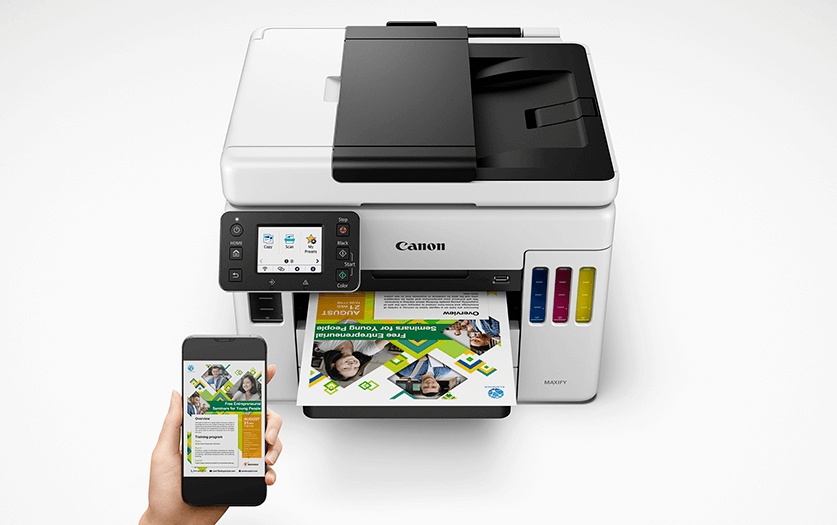
Even in today’s digital-first workplaces, colour printers continue to play a vital role across industries. While cloud storage, e-signatures, and digital collaboration tools have transformed how we share and manage information, many organisations still rely on printed materials for compliance, documentation, and communication. The shift toward paperless operations is ongoing, but it’s far from complete; particularly in sectors such as healthcare, finance, and legal services, where physical documents are often required for record-keeping, security, and client trust.
Printed materials also offer something digital files cannot always match: tangibility, permanence, and certain cases, a greater clarity. Whether it’s a signed contract, a detailed medical chart, or a colour presentation for a client meeting, having a physical copy can enhance clarity, confidence, and professionalism.
This leads many businesses to ask — are colour printers really worth the higher upfront and running costs? In many cases, the answer is still a resounding yes.
The Real Cost of Colour Printing
When evaluating whether colour printing is worth the investment, it’s important to look beyond the initial purchase price and consider the total cost of ownership. The real cost of colour printing involves several key factors that you should consider before you make your final decision:
- Initial Investment: Colour printers generally have a higher upfront cost than monochrome models due to their more complex printing mechanisms and multiple toner or ink cartridges. Business-grade colour printers are often priced higher, but the investment can be justified when high-quality, client-facing documents or marketing materials are regularly required.
- Ongoing Costs: Consumables such as colour toners or inks are more expensive than black-and-white equivalents, and frequent use of full colour increases per-page costs. Maintenance, including cleaning print heads and replacing parts like drums or fusers, also adds to running costs. Using high-yield cartridges or refillable ink systems can help reduce these expenses.
- Energy and Consumable Usage: Colour printers, particularly laser models, may consume more energy during operation and standby than monochrome printers. They also generate more waste from multiple cartridges and consumables. Choosing energy-efficient models and recycling programs can help lower environmental impact.
- Business Value of Colour: Colour printing improves document readability, enhances visual communication, and strengthens brand impact. It is particularly effective for client presentations, brochures, reports, and marketing materials, helping businesses convey professionalism and engagement that black-and-white prints cannot match.
- Cost-Saving Strategies: To manage expenses, businesses can use managed print services that consolidate printing, maintenance, and supply management into a predictable monthly fee. Refillable ink or high-yield cartridge systems also significantly reduce the cost per page. Restricting full-colour printing to documents where it provides clear value ensures efficiency without unnecessary expenditure.
Why a Color Printer Makes Sense
If you want to bring your documents, crafts, or presentations to life with vivid colour, these colour printing papers are an ideal choice. From soft pastels to bold, eye-catching hues, there’s a wide selection to suit every creative need. Designed for excellent print quality and compatibility with a variety of printers, these papers are perfect for both personal projects and professional applications, ensuring your work always looks polished and vibrant. Colour printers are particularly valuable in places such as:
- Corporate Offices and Business Environments: Companies that regularly produce client presentations, proposals, or marketing materials can benefit greatly from colour printers. High-quality colour output enhances the visual appeal of reports and presentations, helping to leave a professional impression on clients and stakeholders.
- Educational Institutions, Design Studios, and Creative Industries: Schools, universities, art and design firms, and other creative organisations often require vibrant, detailed prints for projects, portfolios, and instructional materials. Colour printing allows educators, students, and designers to showcase work accurately and effectively.
- Home Offices and Remote Work Setups: Individuals working from home can use colour printers for professional reports, resumes, school assignments, or personal projects. Colour printing adds a polished, professional touch that black-and-white prints cannot achieve.
- Businesses Focused on Branding and Customer Experience: Organisations that prioritise brand consistency, marketing impact, and customer perception benefit from colour printing for brochures, flyers, signage, and packaging. Colour documents help communicate brand identity clearly and create a more memorable impression on clients and customers.
When a Black-and-White Printer Is Enough
Monochrome printers operate using a single black toner or ink cartridge, which simplifies maintenance and reduces the number of consumables that need to be purchased. This makes them a convenient and cost-effective option for businesses or individuals who primarily print text-based documents. Colour printers, on the other hand, use multiple cartridges — typically one black, plus three separate colour cartridges (cyan, magenta, and yellow) — to produce full-colour prints. While this may seem like it would significantly increase costs, advances in printer technology have narrowed the gap.
In many modern systems, the overall cost per page for producing colour prints can be comparable to black-and-white printing, especially when using high-yield cartridges, efficient ink management systems, or machines designed for frequent colour use. This means some businesses can enjoy the benefits of vibrant, professional-quality colour without a prohibitive increase in running costs. Such businesses may include the following:
- Businesses Producing Primarily Text-Based Documents: For organisations that mainly generate reports, invoices, contracts, or other text-heavy materials — such as legal firms, financial institutions, or logistics companies — a black-and-white printer is often sufficient. These printers handle high-volume document output efficiently without the extra cost of colour consumables.
- Organisations with Minimal Printing Needs: Companies that rely heavily on digital workflows and cloud-based documentation may have limited printing requirements. In such environments, a monochrome printer meets basic needs, providing reliable output for occasional print jobs without unnecessary complexity or expense.
- Cost-Conscious Workplaces Prioritising Efficiency: Offices where budget and operational efficiency are top priorities can benefit from black-and-white printers. They typically have lower purchase prices, reduced running costs, and simpler maintenance, making them ideal for organisations where professional colour printing is not a core requirement.
Cost-Saving Tips for Colour Printing
While colour printers can incur a higher upfront cost, the good news is that there’s still plenty of ways to save money after that. Here are some proven tips for your consideration:
- Choose Printers with High‑Yield Cartridges or Refillable Ink Tanks: Investing in consumables that deliver more pages (such as extra‑high‑yield toner or reusable ink reservoirs) dramatically lowers the cost per page over time. While the initial spend may be higher, the long‑term savings on frequent replacements and cartridge changeovers make this a smart move for heavier print environments
- Use Draft or Economy Mode for Internal Documents: Setting default print quality to a lower mode for internal, non‑client facing jobs significantly reduces colour ink usage. Switching to draft mode, or even defaulting to monochrome for internal reports, helps cut down on the amount of ink consumed and extends cartridge life.
- Consider Managed Print Services (MPS) to Curb Costs: Outsourcing your print fleet management to a Managed Print Services provider can optimise your device mix, monitor usage, automate supplies replenishment, and enforce print policies across your organisation. This structured approach gives you visibility into hidden printing costs, curbs excessive colour printing, and delivers better budgeting and equipment efficiency. If you’re already on a Managed Printer Service plan that you’re not happy with, and you’d like to switch to a DDS MPS plan, we may be able to cover the cost of your existing contract, allowing you to enjoy the premium service and support you deserve. Get in touch with us to find out more!
- Print Selectively & Go Digital When Possible: Before hitting ‘print’, consider whether a document genuinely needs to be on paper; and if it does, whether it needs to be printed in colour. Many internal workflows can shift to digital formats, reducing paper and consumables usage. Reserving colour printing for materials where visual impact matters helps keep costs down and aligns printing with your business needs.
- Always Preview Before Printing: Ensuring the layout, margins and text are all correct before you print will prevent wasted pages, misprints, and unnecessary ink use. Simple actions like print preview and proofreading can avoid costly reprints and wasted colour output, helping you keep your print budget lean.
Conclusion
While colour printers generally have higher upfront and running costs, they provide tangible value for users who need professional-quality visuals, marketing materials, or client-facing documents. High-quality colour printing can support brand consistency and help businesses present a more polished image. Ultimately, you should choose a printer based on your print volume, intended purpose, and the importance of maintaining brand consistency.
You can browse the DDS range of colour printers here, or head over to our homepage to check our many other products & services, including our Managed Print Services. For all inquiries, you can contact DDS directly here.


